Skip to content
2023 Murder Trialtrial-daytrial-dayJohn MeadorsCreighton WatersDonald J. ZelenkaPhillip D. BarberDick HarpootlianRyan KellyPeter RudofskiShalane TindalRichard HarveycrossredirectrecrossdirectDay 18 - February 17, 2023Rudofski presented the State's phone-and-vehicle timeline before cross-examination tested its limits. After the State rested and the court denied a directed verdict, the defense opened with testimony about the estimated time of death and an initial no-danger-to-the-public statement.
← Day 172023 Murder TrialDay 19 →

Day 18 - February 17, 2023

Digital Timeline, State Rests, and Defense Testimony Begins

Judge Clifton B. Newman
14Proceedings
4Pages
4Witnesses
2,875Lines
Day 18 of 27
Appearing:

Rudofski presented the State's phone-and-vehicle timeline before cross-examination tested its limits. After the State rested and the court denied a directed verdict, the defense opened with testimony about the estimated time of death and an initial no-danger-to-the-public statement.

Full day summary
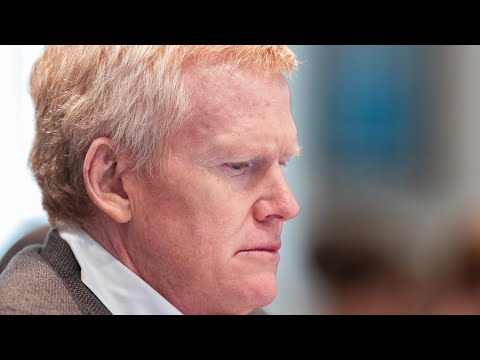
SLED Special Agent Peter Rudofski presented a consolidated timeline drawn from phone records, vehicle telemetry, and other sources. GM supplied new OnStar files during trial, and the resulting data placed the Suburban at the kennels less than 20 seconds before the 911 call began. Cross-examination challenged the timeline's orientation labels, step-period interpretations, and omission of Maggie Murdaugh's 8:54 camera access; Rudofski acknowledged limits in what the data could establish while maintaining his interpretation that one person had both phones around 9:06. The State then rested. The court denied the defense's directed-verdict motion, finding evidence from which guilt could be fairly and logically deduced if believed by the jury. The defense began its case with Coroner Richard Harvey, who said the 9:00 time of death was an estimate based on body warmth and the absence of rigor, without temperature measurements, and agreed the shootings could have occurred between 8:00 and 10:00. Public information officer Shalane Tindal later testified about a coordinated June 8 statement saying there was no danger to the public and an updated release that removed that language.

Video thumbnail11:47:05
Watch →

1. Ryan Kelly — Cross/Redirect/Recross (Recall, Continued)

Ryan Kelly’s cross-examination, redirect, and recross addressed Alex Murdaugh’s reported head injury, September 2021 interviews, arrests, and investigators’ assessment of his answers and ability to respond.

Cross
Ryan KellyDick Harpootlian
245 lines

Ryan Kelly acknowledged Murdaugh's documented head injuries while describing his later admissions, defense-arranged interview, surrender, and arrest in the roadside-shooting investigation.

Redirect
Ryan KellyCreighton Waters
78 lines

Ryan Kelly said Murdaugh voluntarily and appropriately answered questions during two hospital interviews and explained the arrangements and subject limits for the September 13 telephone interview.

Recross
Ryan KellyDick Harpootlian
109 lines

Ryan Kelly said truck images were intended to test Murdaugh's account and acknowledged that he did not consult medical personnel about competency before hospital questioning.

2. Peter Rudofski — Direct/Cross/Redirect/Recross

SLED Special Agent Peter Rudofski presented a combined phone, carrier, vehicle, and location timeline for June 7, 2021, followed by cross-examination and brief redirect and recross focused on how precisely the data could establish movement, speed, device use, and who held the phones.

Direct
Peter RudofskiCreighton Waters
1389 lines

Peter Rudofski combined phone, carrier, telemetry, and newly received OnStar data into a June 7 timeline emphasizing the victims' final phone activity, the Suburban's movements and speeds, missing extracted call-log entries, and the interval between arrival at the kennels and the 911 call.

Cross
Peter RudofskiPhillip D. Barber
596 lines

Defense counsel challenged the completeness and interpretation of Rudofski's phone-and-vehicle timeline, eliciting limits on orientation, step, camera, and headlight inferences while disputing his assessment of Murdaugh's post-911 phone use.

Redirect
Peter RudofskiCreighton Waters
50 lines

Rudofski clarified the return-trip speed calculation, limits of Maggie Murdaugh's step data, a Paul Murdaugh phone entry followed by Alex Murdaugh's call to Rogan Gibson, and his role in compiling the multi-source timeline.

Recross
Peter RudofskiPhillip D. Barber
33 lines

Peter Rudofski acknowledged that the data could not establish why a peak vehicle speed occurred or why Paul Murdaugh's phone display activated, while confirming the display event's overlap with Alex Murdaugh's call and a recorded step interval.

Highlights

4. Richard Harvey — Direct/Cross/Redirect

The State rested, the court denied the defense’s directed-verdict motion, and the defense opened its case with Coroner Richard Harvey’s testimony about his estimated time of death.

Procedural
State Rests and Directed-Verdict Motion
44 lines

The State completed its case, the defense sought a directed verdict based on asserted gaps in the circumstantial evidence, and the court denied the motion before the defense called its first witness.

Direct
Richard HarveyDick Harpootlian
115 lines

Coroner Richard Harvey said the death certificates' 9:00 time was an estimate based on body warmth and lack of rigor, and he agreed the deaths could have occurred between 8:00 and 10:00.

Cross
Richard HarveyDonald J. Zelenka
51 lines

Coroner Richard Harvey agreed that he took no temperature and lacked a precise incident time, while explaining that body warmth and the absence of rigor informed a one-to-three-hour timeframe.

Redirect
Richard HarveyDick Harpootlian
25 lines

Richard Harvey said Colleton County detectives did not consult him about his time-of-death examination or how he reached his conclusion.

Highlights

5. Shalane Tindal — Direct/Cross/Redirect

Shalane Tindal completed testimony about coordinated June 8 public statements, after which the court adjourned until Tuesday morning.

Direct
Shalane TindalDick Harpootlian
102 lines

Shalane Tindal described the sheriff's office and SLED's jointly coordinated no-danger statement, its later removal from a release, and the limits of her public-information role.

Cross
Shalane TindalJohn Meadors
20 lines

Tindal clarified that a same-day updated release removed information from the initial statement and said the June 21 document shown to her was not that release.

Redirect
Shalane TindalDick Harpootlian
18 lines

A joking redirect question produced no substantive testimony; Tindal was excused, and the court adjourned until Tuesday morning.

Highlights

← Day 172023 Murder TrialDay 19 →