Phillip D. Barber tested the State's phone, vehicle, and timeline evidence, drawing out what recorded activity could and could not establish. He also challenged the immediacy of the financial-motive theory, examined defense phone expert Micah Sturgis, and questioned the reliability of a Raise to Wake experiment.
DefenseDefense team (Alex Murdaugh)
Phillip D. Barber
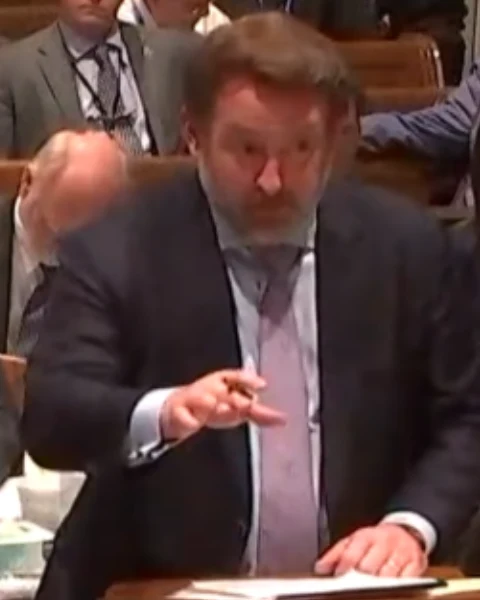
Attorney on Alex Murdaugh's defense team who focused on phone, vehicle, and other digital evidence.
Appeared2023 Murder Trial
1,516 lines·40 proceedings·1 mention
About
Phillip D. Barber served as defense trial counsel, with examinations focused on the foundations and limits of digital, vehicle, timeline, and forensic evidence. He also challenged the claimed immediacy of financial pressure and presented portions of the defense's phone-forensics evidence.
On Day 8, Barber proposed that Maggie Murdaugh's final recorded phone-orientation change could mark its roadside disposal and explored whether a brief camera event reflected attempted use. Britt Dove declined to infer when the phone was thrown and had not reviewed the SpringBoard metadata needed to evaluate the camera theory. Barber later elicited that Snapchat friends-list and geolocation data had not been requested or produced.
Barber carried that focus into vehicle and cellular records. He developed limits in the Suburban logs, including uncertainty about key-fob proximity, automatic Bluetooth connections, and the absence of recovered June 7 location data. Matthew Wild identified missing text-message location data, no relevant GPS data for Maggie or Alex Murdaugh, and no phone-movement comparison. A General Motors witness acknowledged that he had been assigned to authenticate newly located records but had not reviewed the specific vehicle data. Barber then challenged Peter Rudofski's interpretations of phone orientation, steps, camera activity, headlights, and post-911 phone use; Rudofski acknowledged that several recorded events did not establish why the activity occurred.
In questioning Mark Tinsley, Barber tested whether the scheduled June 10 financial-discovery hearing was an endpoint or another step in litigation. Tinsley qualified his prior description of an immediate financial "explosion" while maintaining that discovery could begin exposing irregularities. With the laboratory witnesses, Barber distinguished presumptive firearm-swab results from human-specific confirmatory testing, emphasized negative Hematrace results from sampled shirt items, and elicited that ordinary contact could account for touch DNA on an object or a spouse's shirt.
During the defense case, Barber examined Micah Sturgis about limits in Maggie Murdaugh's GPS and timeline data and about qualified interpretations of screen, camera, movement, Raise to Wake, and call events. On Day 26, he argued that Paul McManigal's Raise to Wake experiment exceeded the witness's expertise and did not satisfy scientific-evidence reliability requirements. Cross-examination and recross established that McManigal had not applied the statistical controls he described, but the judge left the qualified opinion before the jury.
Trial Record (40)
No proceedings match this filter.