Skip to content
personpersonRichard HarveyRichard HarveyColleton County coroner who examined the bodies at the Moselle scene and estimated the time of death.← All People
Witness

Richard Harvey

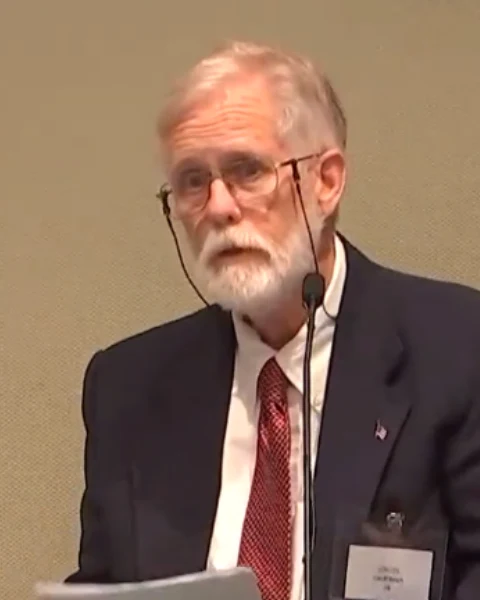
Courtroom still of Richard Harvey.

Colleton County coroner who examined the bodies at the Moselle scene and estimated the time of death.

81 lines·4 proceedings·1 mention

About

Richard Harvey, the Colleton County coroner and the defense's first witness, testified about his examination of the scene at Moselle. He said he arrived at 11:04 p.m., photographed portions of the scene before SLED completed its processing, and followed the same path entering and leaving to reduce the risk of disturbing possible evidence.

Harvey explained that the 9:00 time entered on the death certificates was an estimate based on the bodies feeling warm under the armpits and the absence of rigor. He took no rectal or other temperature and accepted that the shootings could have occurred at 8:00, 10:00, or between those times.

On cross-examination, Harvey described his assessment as a one-to-three-hour timeframe rather than a precise incident time. He acknowledged that postmortem temperature can vary with factors including body characteristics, weather, covering, wetness, and the method of measurement. Questioning also addressed his movement around and within the scene. On redirect, he testified that county detectives did not ask what his examination revealed, how he reached his conclusion, or discuss the time of death with him.

Trial Record (4)

20232023 Murder TrialJan 23, 2023 – Mar 3, 2023Called by defense

Richard Harvey, the Colleton County coroner, testified for the defense about his scene examination and explained that the death certificates' 9:00 time was an estimate based on body warmth and the absence of rigor, not a precise measurement.

Day 20

DirectRichard Harvey - DirectRichard HarveyDick Harpootlian2highlights49lines spoken

Summary

Coroner Richard Harvey said the death certificates' 9:00 time was an estimate based on body warmth and lack of rigor, and he agreed the deaths could have occurred between 8:00 and 10:00.

Highlights (2)

Quote“My initial processing was that I went and checked both bodies, and I simply put my hands in their armpits to determine how warm they are.”— Richard HarveyHarvey described the tactile method underlying his initial time-of-death estimate.Open in transcript →Watch this moment ▶
Quote“There were no witnesses there to tell me exactly what time this happened.”— Richard HarveyHarvey emphasized that no eyewitness account supplied an exact time of death.Open in transcript →Watch this moment ▶
CrossRichard Harvey - CrossRichard HarveyDonald J. Zelenka2highlights23lines spoken

Summary

Coroner Richard Harvey agreed that he took no temperature and lacked a precise incident time, while explaining that body warmth and the absence of rigor informed a one-to-three-hour timeframe.

Highlights (2)

Quote“Correct, and thermometers are not always accurate either, so -- and that's one thing that we've learned over the years.”— Richard HarveyHarvey qualified the prosecution's emphasis on the missing temperature measurement by explaining that thermometer readings are not infallible.Open in transcript →Watch this moment ▶
Quote“1 to 3 hours, so that's the timeframe that I was looking at.”— Richard HarveyHarvey identified the interval he used, underscoring that his assessment was a range rather than a precise time.Open in transcript →Watch this moment ▶

Day 22

DirectMark Ball - DirectMark BallJim GriffinMentioned

Summary

Mark Ball described weak access control and disturbing conditions at the released Moselle scene, identified the family voices on the kennel video, disputed an audio interpretation, and balanced favorable family observations with his sense of betrayal over Alex's thefts.

Mentioned in this proceeding.