John B. Conrad presented much of the prosecution's phone, vehicle, and location evidence, developing the timeline while drawing out the technical limits of what the records could prove. He later challenged defense interpretations of phone handling and steps, cross-examined John Marvin Murdaugh about Alex's undisclosed kennel presence, and presented rebuttal testing on whether Raise to Wake would activate when a phone was thrown.
ProsecutionSouth Carolina Attorney General's Office
John B. Conrad
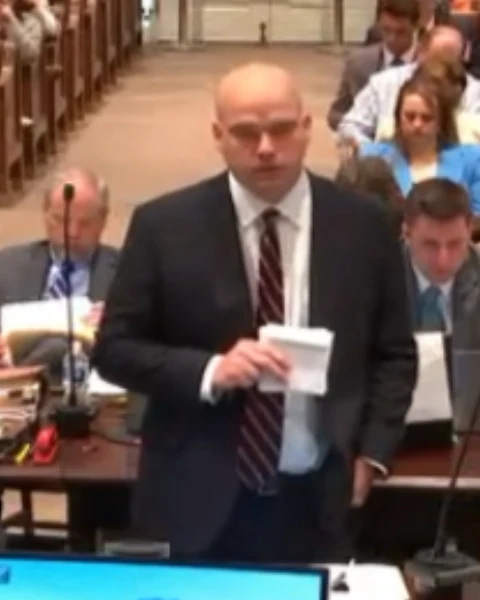
South Carolina prosecutor who handled telecommunications, device, vehicle, and digital-forensics evidence.
Appeared2023 Murder Trial
2,812 lines·35 proceedings·1 mention
About
John B. Conrad developed much of the prosecution's digital-evidence presentation. His examinations moved from carrier and extraction foundations through phone behavior, vehicle logs, cell-site mapping, and rebuttal testing, while the technical witnesses repeatedly identified what their data could and could not establish.
On Day 7 and Day 8, Conrad used Michael Knecht's Verizon records to establish call and voicemail activity and clarify that the records could not distinguish an unanswered phone from one that was off or disconnected. He established the efforts to unlock and extract Paul's phone through Paul McManigal and Jonathan VanHouten, then led Britt Dove through calls, messages, locks, movement, steps, and kennel-video metadata. Dove could not identify who used a device or determine when Maggie's phone was thrown, and Conrad corrected a misstated end time in the step data. On Day 9, he used Dylan Hightower's testimony to establish the recovery and preservation of Maggie's phone and that the locked device could be placed in airplane mode without entering its code.
Conrad's vehicle and location evidence likewise combined timeline detail with stated limitations. On Day 13, Dwight Falkofske explained the Suburban's encrypted logs but could not use them to prove movement or identify an occupant. On Day 15, Matthew Wild mapped phone activity while acknowledging that the records did not identify a phone's holder and lacked later tower-location data needed to compare Maggie's phone with another device. After General Motors located additional telematics data, Conrad examined Devin Newell on Day 17 to authenticate those records. He later examined David Grubbs about phone activity and the limits of orientation and logging data.
During the defense case on Day 22, Conrad challenged Micah Sturgis's interpretations of handling, orientation changes, GPS research, and step data, then used recross to clarify the kennel video's metadata and the comparative limits of iPhone step counts. On Day 25, John Marvin Murdaugh acknowledged during Conrad's cross-examination that Alex had not disclosed his kennel presence; Conrad also tested accounts of investigative interviews, opioid-related observations, and family circumstances. On Day 26, Conrad presented McManigal's Raise to Wake experiments in rebuttal and argued that the defense challenges concerned the testimony's weight; the judge left McManigal's qualified opinion before the jury.
Trial Record (35)
No proceedings match this filter.