Skip to content
personpersonDylan HightowerDylan HightowerFourteenth Circuit investigator who documented Moselle by drone, recovered Maggie Murdaugh's phone, and extracted data from several family phones.← All People
Law enforcement

Dylan Hightower

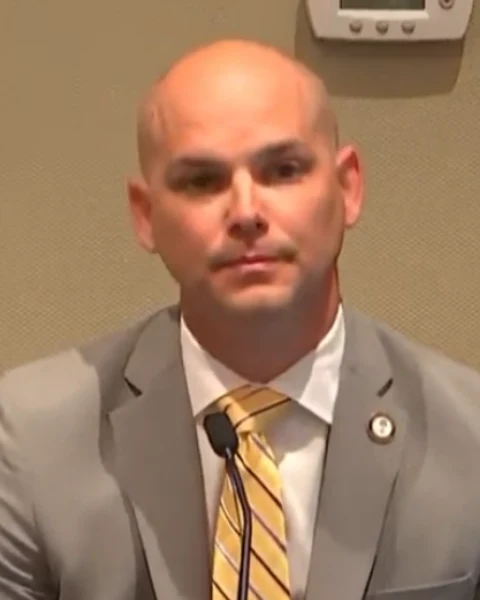
Courtroom still of Dylan Hightower.

Fourteenth Circuit investigator who documented Moselle by drone, recovered Maggie Murdaugh's phone, and extracted data from several family phones.

287 lines·8 proceedings·5 mentions

About

Dylan Hightower testified for the State about his work as a Fourteenth Circuit investigator documenting the Moselle property, recovering Maggie Murdaugh's phone, and extracting data from several family phones. After the crime scene was released on June 8, he used a drone and ground photography to document the relationship among the residence, kennels, hangar, fields, trees, and access roads.

Using a family member's Find My iPhone access, Hightower located Maggie Murdaugh's phone about half a mile from the barn entrance and 15 to 20 feet from Moselle Road. He photographed it without touching it, guarded it until SLED personnel collected it, and described the preservation steps taken at the recovery site.

Hightower also performed consent-based advanced logical extractions from the phones of Alex, Randy, and Buster Murdaugh. After Alex Murdaugh's data was separately screened for attorney-client material, Hightower compared the device report with Verizon records. The device report showed only two FaceTime calls for June 7, while the carrier records showed about 73 calls. He identified several possible explanations but said the limited extraction did not allow him to determine the cause or recover deleted artifacts.

On cross-examination, Hightower said no suspect was identified at the morning briefing, he did not recall a public warning, and he saw no roadblocks or armed search of the surrounding woods. He acknowledged that his daytime photographs did not establish nighttime visibility and that no forensic measurement fixed the phone's precise recovery point. Although he agreed that disposal from a vehicle was possible and that he could make the estimated throw, he did not conclude that the phone had been thrown.

Hightower clarified that he neither extracted nor analyzed Maggie Murdaugh's phone, so his firsthand knowledge ended with its recovery and preservation. On redirect, he said he saw no vandalism, knew only that the phone was missing, and observed no manipulation of its data in his presence.

Trial Record (8)

20232023 Murder TrialJan 23, 2023 โ€“ Mar 3, 2023Called by prosecution

Dylan Hightower testified about documenting the Moselle property, recovering and preserving Maggie Murdaugh's phone, and extracting data from several family phones. Cross-examination addressed the limits of his scene documentation, recovery measurements, briefing recollection, and ability to explain missing device call entries.

Day 6

Day 7

Day 9

DirectDylan Hightower - DirectDylan HightowerJohn B. Conrad2highlights173lines spoken

Summary

Dylan Hightower described locating and documenting Maggie Murdaugh's phone, authenticated scene and recovery photographs, and explained a qualified discrepancy between Alex Murdaugh's device call log and Verizon records.

Highlights (2)

Quoteโ€œOnce I started -- I essentially build a digital timeline of all forms of digital evidence that we had had during that timeframe, and it was kind of a working copy. During that timeframe, I compared the call logs from the extraction from the actual device to the phone logs that I saw in the call detail records provided from Verizon. On the date in question, on June 7th, I only saw two FaceTime calls on the phone extraction, and I saw a series of around 73 phone calls on the Verizon call detail record.โ€— Dylan HightowerThis was the central digital-evidence comparison in the examination and identified a substantial difference between the device report and carrier records.Open in transcript →Watch this moment ▶
Quoteโ€œIt could be a multitude of things. They were either removed by the user or the one responsible in using the device. It could have overlapped from the call log history. It could have been a series of things. But I just wanted to make sure that I identify the phone records that were in communication during that timeframe and the lack of that information on the actual data.โ€— Dylan HightowerHightower expressly qualified the call-log discrepancy and did not attribute it conclusively to manual deletion.Open in transcript →Watch this moment ▶
CrossDylan Hightower - CrossDylan HightowerDick Harpootlian2highlights104lines spoken

Summary

Dylan Hightower acknowledged limits in the initial response, nighttime scene visibility, and documentation of Maggie Murdaugh's phone location, while clarifying that he preserved but did not analyze the device.

Highlights (2)

Quoteโ€œI would throw it with my left hand from the driver's side, and could easily land it to where it actually was found and located in the woods.โ€— Dylan HightowerThe answer addressed counsel's proposed vehicle-discard scenario while remaining a statement about Hightower's own ability, not a conclusion about how the phone reached the woods.Open in transcript →Watch this moment ▶
Quoteโ€œAgain, I did not download or extract the contents of the device.โ€— Dylan HightowerHightower expressly limited his firsthand role and could not supply an extraction-based opinion about whether information had been deleted from Maggie Murdaugh's phone.Open in transcript →Watch this moment ▶

Day 15

DirectMatthew Wild - DirectMatthew WildJohn B. ConradMentioned

Summary

Matthew Wild mapped Paul, Maggie, and Alex Murdaugh's phones using call records, device data, and drive tests, while stressing that the records did not identify who held a device. He found the 911 call compatible with a Moselle location despite its use of a Varnville-area tower and traced Alex's phone through Almeda-, Summerville-, and Hampton-area sectors from June 8-15.

Mentioned in this proceeding.