Micah Sturgis testified for the defense as a cell-phone-forensics expert, analyzing device records related to phone handling, screen activity, steps, GPS data, and the trial timeline. He identified possible human interaction while limiting his conclusions about the user's identity, intent, and how a thrown phone would move.
Expert witness
Micah Sturgis
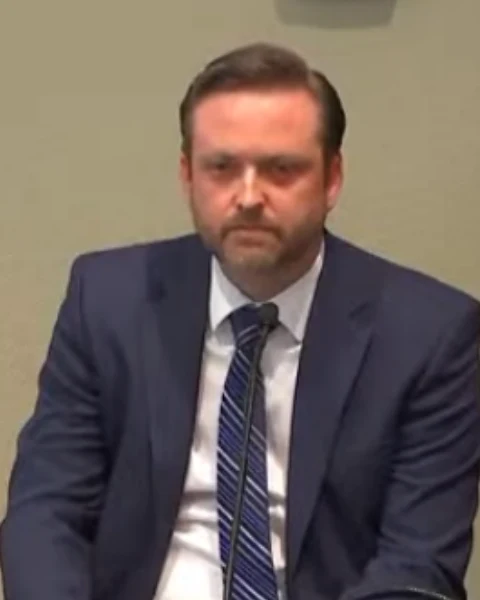
Cell-phone-forensics expert retained by the defense to analyze device activity, steps, GPS records, and the trial timeline.
Appeared2023 Murder Trial
274 lines·7 proceedings·2 mentions
About
Micah Sturgis testified for the defense on Day 22. He disclosed his compensation and explained that his review relied on device extractions and reports supplied by the State.
Sturgis said the State's cell-phone timeline was mostly accurate, while identifying interpretive differences and two KnowledgeC database items absent from its report. His analysis addressed Maggie Murdaugh's phone, including Apple Health steps, orientation and backlight records, Raise to Wake, camera and call activity, missing June 7 GPS information, and the period when the screen remained off as Alex Murdaugh's Suburban passed the recovery location. He attributed certain events to human interaction but could not identify the user or determine the user's intent, and he declined to offer an opinion about how a thrown phone would move.
On cross-examination, Sturgis agreed that Maggie's phone locked at 8:49:31 p.m. and remained locked until its recovery, although activity around 8:53 to 8:55 likely reflected handling by an unidentified person. He also agreed that his review showed no user interaction with Paul Murdaugh's phone after about 8:49 p.m. The State tested the foundation for parts of his analysis, and Sturgis acknowledged that he had not researched the relevant GPS-cache duration, did not know the software version used in the courtroom demonstration, and had not replicated the movement test on an iOS 14.6 phone.
On redirect and recross, Sturgis distinguished Raise to Wake from orientation changes, said slight movement could illuminate the screen, and explained that a camera event could be deliberate or accidental. He offered a qualified opinion that earlier extraction or Faraday shielding might have preserved June 7 GPS data, found no corresponding step periods between Alex's and Maggie's phones, and explained that step entries recorded totals over intervals rather than a uniform pace. During later State rebuttal, Paul McManigal used same-model testing to challenge any inference that throwing the phone would necessarily illuminate its screen, distinguishing Sturgis's gentle pickup demonstration from more forceful throwing tests.
Trial Record (7)
No proceedings match this filter.