Skip to content
2023 Murder Trialtrial-daytrial-dayDavid A. FernandezJim GriffinPaul Greervoir_diredirectcrossJury Selection Day 2 - January 24, 2023Panel Four qualification left 122 eligible jurors and an 80-person strike sheet for the next morning. Outside the jury's presence, Paul Greer defended firearms-identification methods under cross-examination, and Judge Newman admitted the proposed expert evidence while reserving methodological disputes for jury weight.
← Jury Selection Day 12023 Murder TrialDay 1 →

Jury Selection Day 2 - January 24, 2023

Panel Four Qualified; Firearms Evidence Admitted After Greer Hearing

Judge Clifton B. Newman
3Proceedings
2Pages
1Witnesses
1,856Lines
Jury Selection Day 2
Appearing:

Panel Four qualification left 122 eligible jurors and an 80-person strike sheet for the next morning. Outside the jury's presence, Paul Greer defended firearms-identification methods under cross-examination, and Judge Newman admitted the proposed expert evidence while reserving methodological disputes for jury weight.

Full day summary
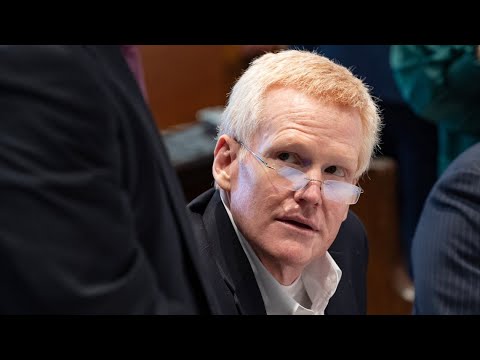
Jury qualification continued with Panel Four. Judge Clifton Newman questioned prospective jurors about publicity, fixed opinions, personal connections, law-enforcement relationships, and hardship. Jurors who could not set aside beliefs about guilt or expressed uncertainty about remaining fair were excused. After a medical-related excusal, the court reported 122 qualified jurors and ordered preparation of an 80-person strike sheet for the next morning. Outside the jury's presence, the parties agreed not to present proposed blood-spatter opinions, third-party-guilt theories, or polygraph references without further hearings. Judge Newman also declined to admit the State's proposed motive evidence in advance, leaving admissibility to be decided as the evidence developed. Paul Greer described his firearms-examination training, methodology, laboratory controls, and blind-verification process, and the court qualified him for the hearing. He addressed scientific criticism of firearm and tool-mark identification, then testified that comparison with Item 33 was inconclusive while other cartridge cases bore marks indicating they had previously been cycled through the same firearm. On cross-examination, Greer acknowledged that identification is subjective in nature and that SLED uses pattern matching rather than a numerical line-count threshold. Judge Newman found the proposed expert evidence admissible under Rules 702 and 703 and State v. Council, leaving disputes over methodology and certainty for cross-examination and jury weight.

Video thumbnail7:38:40
Watch →

1. Jury Voir Dire (Continued) and Pretrial Motions

Jury Panel Four was qualified through group and individual questioning, bringing the pool to 122 jurors. The court then addressed evidentiary issues involving blood spatter, third-party guilt, polygraph references, alleged motive evidence, and firearms-comparison testimony.

Procedural
Opening Court Proceedings

Judge Newman opened qualification of Jury Panel Four, explained the accusations, plea, presumption of innocence, and burden of proof, and had the panel sworn for roll call.

jury selection
Jury Voir Dire - Panel Four

Panel Four voir dire examined widespread publicity, fixed opinions, and local ties to the Murdaugh family, law enforcement, and potential witnesses. The court excused jurors who could not be impartial, retained others after individual inquiry, and ended with 122 qualified jurors for an 80-person strike sheet.

Procedural
Pretrial Motions and Evidentiary Issues

Judge Newman deferred rulings on several evidentiary issues, declined to admit proposed motive evidence in advance, and moved to a hearing on contested firearms-identification testimony.

Highlights

2. Paul Greer — Direct/Cross/Voir Dire

Paul Greer’s firearms-examination testimony led to argument over the reliability of his methods and the admission of his report, which Judge Newman allowed before recessing until the jury’s scheduled arrival the next morning.

Voir Dire
Paul GreerDavid A. Fernandez
115 lines

Paul Greer outlined his firearms-examination training, methodology, and SLED quality controls before the defense declined qualification questions and the court qualified him for the hearing.

Direct
Paul GreerDavid A. Fernandez
91 lines

Paul Greer acknowledged scientific critiques of firearms identification while explaining how examiner training and SLED laboratory controls addressed National Academies recommendations and supported his response to the PCAST report.

Cross
Paul GreerJim Griffin
140 lines

Paul Greer said the scene cartridge cases could not be linked conclusively to Item 33, defended his same-firearm cycling conclusion and SLED's blind verification, and acknowledged subjective and caliber-specific limits in the methodology.

Procedural
Firearms Expert Admissibility Argument and Ruling

Judge Newman admitted Paul Greer's proposed firearms and toolmark findings, ruling that the defense's challenges concerned cross-examination and jury weight rather than admissibility.

Highlights

Paul Greer - Crosstestimony highlightGreer testified that comparisons between scene cartridge cases and Item 33 were inconclusive, while concluding that a larger group of cartridge cases bore matching mechanism marks showing they had been cycled through the same firearm at some previous time.Paul Greer - CrossconfrontationGriffin confronted Greer with PCAST criticism of the AFTE identification theory. Greer defended the fuller methodology but acknowledged that firearms identification is subjective in nature and includes an element that could be considered art.Paul Greer - Cross“So, in short, firearms -- the identification portion is subjective in nature, but it's based on the applied science and some objectivity that we're able to derive in order to determine those conclusions.”— Paul GreerGreer expressly characterized the identification decision as subjective while maintaining that it rests on applied science and objective features.Firearms Expert Admissibility Argument and RulingrulingJudge Newman found the proposed expert evidence admissible under Rules 702 and 703 and State v. Council, leaving the disputed methodology and certainty for cross-examination and jury weight.Firearms Expert Admissibility Argument and Ruling“The matters at issue involving this witness will be matters for cross-examination and for the jury to determine its weight.”— Clifton NewmanJudge Newman explained that the defense's methodological criticisms affected weight rather than admissibility.
← Jury Selection Day 12023 Murder TrialDay 1 →