Mark Tinsley testified about the boat-crash civil litigation, including a substantial personal demand against Alex Murdaugh, efforts to identify his financial accounts, and the killings' effect on the claim's settlement posture. He acknowledged that the scheduled June 10 hearing was a step in a longer discovery process, not an immediate financial reckoning.
Attorney
Mark Tinsley
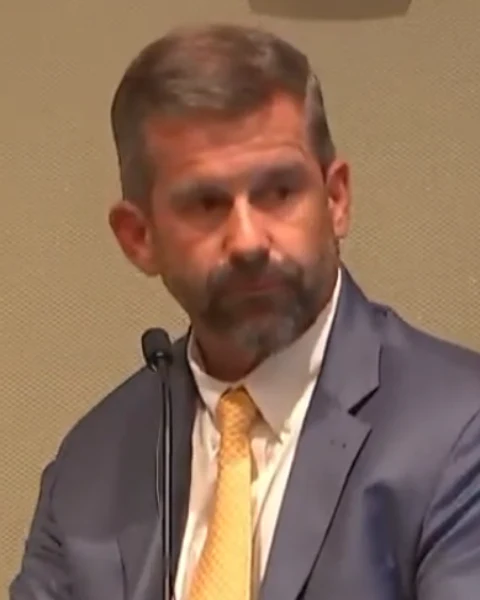
Attorney for the family of Mallory Beach in the civil boat-crash case against Alex Murdaugh and others.
Appeared2023 Murder Trial
444 lines·19 proceedings·12 mentions
About
Mark Tinsley testified for the State about representing Mallory Beach's family in civil litigation arising from the 2019 boat crash. He described pursuing a substantial personal recovery from Alex Murdaugh because the available boat insurance appeared limited. When Murdaugh's representatives said he was broke, Tinsley did not accept that representation and sought identification of his financial accounts.
Tinsley explained that a motion to compel filed in October 2020 could lead to subpoenas for institutional records and efforts to trace funds. The matter was ultimately scheduled for June 10, 2021, after an earlier date was continued because another attorney was receiving chemotherapy. The hearing was canceled after the killings of Maggie and Paul, and no replacement date had been set by the time of his testimony. Tinsley also qualified that he had not known at the relevant time about the purported fake Forge account.
On cross-examination, Tinsley acknowledged that the requested financial discovery was intended to pressure Murdaugh and encourage settlement rather than obtain evidence needed to try the civil case. He agreed that other motions were scheduled for June 10 and that the hearing would not itself have produced an immediate financial reckoning. On redirect, he maintained that the hearing could start a longer process involving account identification, institutional subpoenas, record review, motions to quash, and further hearings.
Tinsley also testified that sympathy for Murdaugh as the perceived victim of vigilante violence would have changed the civil recovery analysis and could have ended the personal claim against him after the final available offer. His testimony provided timing and pressure evidence used in the State's financial-motive theory, but it did not establish why the killings occurred.
Trial Record (19)
No proceedings match this filter.